

Getting the Basics Right
Slow cooking isn’t just tossing ingredients into a pot and walking away. At its core, slow cooking uses low heat over a long period usually several hours to gently break down tougher ingredients and develop rich, layered flavors. It’s not pressure cooking. It’s not fast. And it definitely isn’t about cutting corners.
Why does low and slow win? Two main reasons: flavor and tenderness. The long cook time lets spices, herbs, and proteins mingle and develop naturally. Tougher cuts of meat (like brisket or chuck roast) break down slowly, becoming fork tender without drying out. Even vegetables hold on to their essence better than you might expect as long as you know when to add them.
As for the gear, all slow cookers are not created equal. Size matters. A 3 quart unit might work for singles or couples, but a 6 to 8 quart model is better for families or batch cooking. Look for programmable settings (like timers and temperature controls) to avoid overcooking, especially if you’re not home to babysit. Bonus features like a sauté function or a removable insert for easy cleaning can also save you time and dishes later.
At the end of the day, the right slow cooker turns weekday chaos into something manageable and tasty.
Best Practices You Shouldn’t Skip
Before you even plug in your slow cooker, a little prep goes a long way. Start by trimming excess fat off meats too much can make the dish greasy, not rich. Searing your proteins first isn’t mandatory, but it’ll give you deeper flavor and better texture. When loading up your cooker, layer smart: tougher veggies like carrots and potatoes go on the bottom, meat in the middle, and delicate stuff like peas or spinach near the top (or better yet, added later).
Once everything’s in and the lid is on, resist the urge to check. Every time you lift the lid, you lose precious heat and extend the cook time. Trust the process.
Timing also matters. Dairy, fresh herbs, and fragile vegetables should be added in the last 30 60 minutes otherwise, they’ll break down or curdle. Most stews and roasts can handle 6 8 hours on low. If you’re in a rush, 3 4 hours on high works, but you’ll sacrifice some tenderness.
Want to really make slow cooking work for your schedule? Batch cook. Double your recipe, portion it out, and freeze what you don’t need right away. That’s future you saying thanks when dinner’s sorted midweek without hassle.
Must Try Recipe Categories

Let’s be blunt: if your slow cooker isn’t handling something warm, rich, or wildly fragrant, you’re not using it right. These recipe categories are tried and true slow cook territory cooked low, developed deep, and designed to comfort or surprise.
Classic Comfort
Pulled pork, beef stew, and chicken and dumplings are the holy trinity of comfort food. They’re hearty, forgiving, and they just get better the longer they simmer. Toss everything in, let it go by dinner, you’re casually crushing a plate of food that tastes like days of effort.
Veg Forward
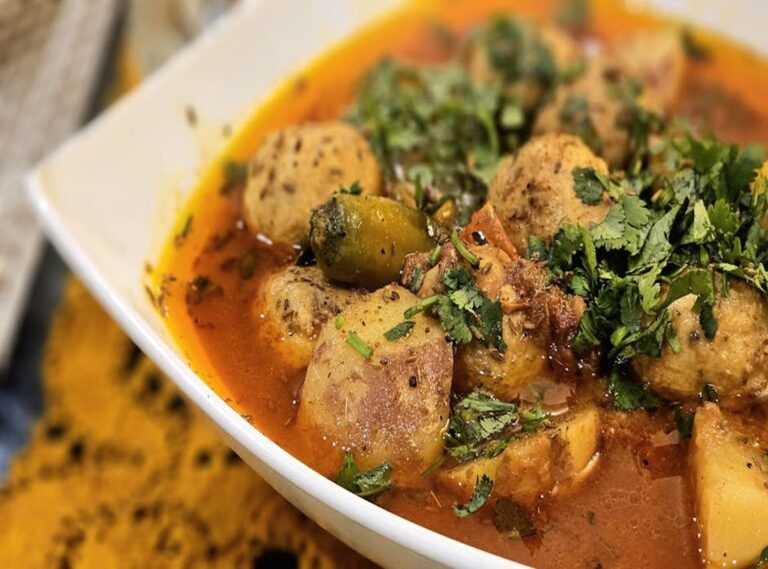
Don’t underestimate plant based slow cooking. Dishes like lentil curry, mushroom stroganoff, and stuffed bell peppers take full advantage of slow heat to meld flavors and soften textures. Bonus: these meals are usually budget friendly and batch cook like a dream.
Global Flavors
Take your slow cooker traveling. Korean short ribs fall off the bone after a long braise. Moroccan chickpeas bloom with warm spices. Tikka masala simmers into a silky, spiced sauce that’s made for spooning over rice. Your kitchen smells incredible. You barely did anything.
Sweet Side
Yes, desserts work too. Apple crisp bubbles into soft spiced gold. Rice pudding turns creamy with almost zero babysitting. And pears cooked with cinnamon? Underrated. These are slow, simple wins with a big payoff.
Keep things simple, aim for flavor. This is what the slow cooker was built for.
Blending BBQ with Slow Cook
Slow cooking and grilling may seem like two separate cooking worlds, but when combined strategically, they unlock unbeatable flavor and flexibility. Whether you’re prepping meats ahead of time or creating complementary side dishes, your slow cooker is a secret BBQ assistant hiding in plain sight.
Prep First, Grill Later
Use your slow cooker to tenderize tougher cuts of meat before they ever hit the grill. This method ensures juicy, fall apart texture and reduces grilling time.
Slow cook cuts like pork shoulder, brisket, or ribs until they’re nearly done
Transfer to a hot grill for a crisp, smoky finish and caramelized edges
Time saver for BBQs: prep meats in the morning, finish them fast on the grill before serving
Marinades and Rubs That Go the Distance
Flavor layering starts with your prep. By using slow cooking as a base for spices to develop, you can amplify the grilled flavor when it’s time to sear.
Apply dry rubs before slow cooking to build a solid base
For richer taste, add a marinade during the last hour of cooking
Use the leftover juices in your cooker to reduce into sauces or glazes
Slow Cooked Sides That Shine on Grill Plates
Don’t overlook the role of sides in your BBQ spread. Slow cooked dishes offer depth and balance against grilled entrees.
BBQ baked beans, collard greens, and cheesy corn grits complement bold proteins
Use your cooker for warm slaws or braised veggies that hold their own next to smoked meats
Keep the grill clear for main courses while sides stay warm and flavorful on standby
For more fire powered inspiration, check out this guide to perfect BBQ techniques.
Final Gear + Ingredient Tips
Pantry Staples You’ll Want to Keep Stocked
Building a strong slow cooking routine starts with the right go to ingredients. Keep these pantry staples on hand so you can throw together delicious meals without a special trip to the store:
Broths: Chicken, beef, and vegetable broths serve as flavorful bases for soups, stews, and braises.
Aromatics: Garlic, onions, shallots, and ginger add depth and richness from the first hour of cooking.
Thickening Agents: Cornstarch, flour, or even instant mashed potatoes can help achieve the perfect texture in sauces and stews.
Canned Goods: Tomatoes, beans, and coconut milk are invaluable for global flavors.
Herbs & Spices: A solid collection of dried herbs (like thyme, oregano, bay leaves) and ground spices keeps your slow cooker dishes bold and not bland.
Leftovers Without the Letdown
One of the best parts of slow cooking? The leftovers. To keep meals from feeling repetitive:
Reinvent, don’t repeat: Turn last night’s pulled pork into tacos or sliders.
Mix up the base: Add stews or ragùs over rice one night and pasta the next.
Freeze wisely: Individually portioned leftovers can become next week’s work lunches or weeknight lifesavers.
Slow Cooker + Grill = A Dynamic Duo
Your slow cooker isn’t a replacement for outdoor grilling it’s a complement. Use the two in tandem to elevate your cooking:
Prep low and slow, finish with flame: Slow cook large cuts (like ribs or brisket) to tender perfection, then give them a quick char on the grill for texture and flavor.
Double up for gatherings: Let the slow cooker handle sides like smoky baked beans or creamy mac and cheese while you focus on grilling the main event.
Flavor layering: Start with spice rubs and marinades in the slow cooker to develop depth, then enhance char and smokiness on the grill.
Want to dive deeper? Learn more perfect BBQ techniques here.



































































































































































































































































































































































































































































































































































































































































































































































































































































































































































































































































































































































































 Kennethony McKenna played a vital role in helping build Food Smart Base, contributing his expertise and dedication to the project’s development. His efforts supported the platform’s growth into a reliable source of food news, nutritional advice, and culinary insights, ensuring that it serves readers with both accuracy and value.