
Core Cooking Concepts
At first glance, sautéing and stir frying might seem interchangeable they both use high heat and quick techniques. But while they share several similarities, subtle (and not so subtle) differences set them apart.
What They Have in Common
Both methods are centered around efficiency, freshness, and heat driven flavor. Here’s where they overlap:
Quick cooking time: Meals come together in minutes over high heat
Small, uniform cuts: Even slicing ensures everything cooks evenly and quickly
Minimal liquid: These methods rely on searing and evaporating, not simmering
Where They Diverge
Despite these overlaps, the tools and techniques behind each method create unique outcomes:
Pan shape: Sautéing uses a wide, flat pan; stir frying uses a wok with sloped sides
Heat intensity: Sautéing requires moderate to high heat. Stir frying cranks it to maximum
Oil usage: Sautéing uses just enough oil to coat the surface, while stir frying needs a bit more to handle hotter temperatures
Movement: In sautéing, you stir occasionally. Stir frying demands constant motion to keep food crisp and prevent burning
Understanding these foundational distinctions sets the stage for mastering both cooking styles with confidence.
What Makes Sautéing Unique
Sautéing is your go to when you want control and clean flavor. It starts with moderate to high heat in a wide, shallow pan something like a skillet or sauté pan, not a pot. Space matters here. The pan needs room so ingredients can spread out and brown, not steam.
You don’t need much oil. Just enough to give the surface a slick coating. You’re not deep frying, you’re coaxing out flavor one layer at a time. Ingredients like chopped garlic, sliced onions, zucchini, thin cuts of chicken, or a fillet of fish all work well.
Motion is minimal. A quick toss or flip every now and then keeps things from burning, but constant stirring isn’t necessary. This is about browning developing texture and taste without overcomplicating things.
Sautéing is about control. If you want to bring out richness in aromatics or get a light char without burning, this is your move.
Get more technique breakdowns in detail here: Sautéing Tips
How Stir Frying Stands Out
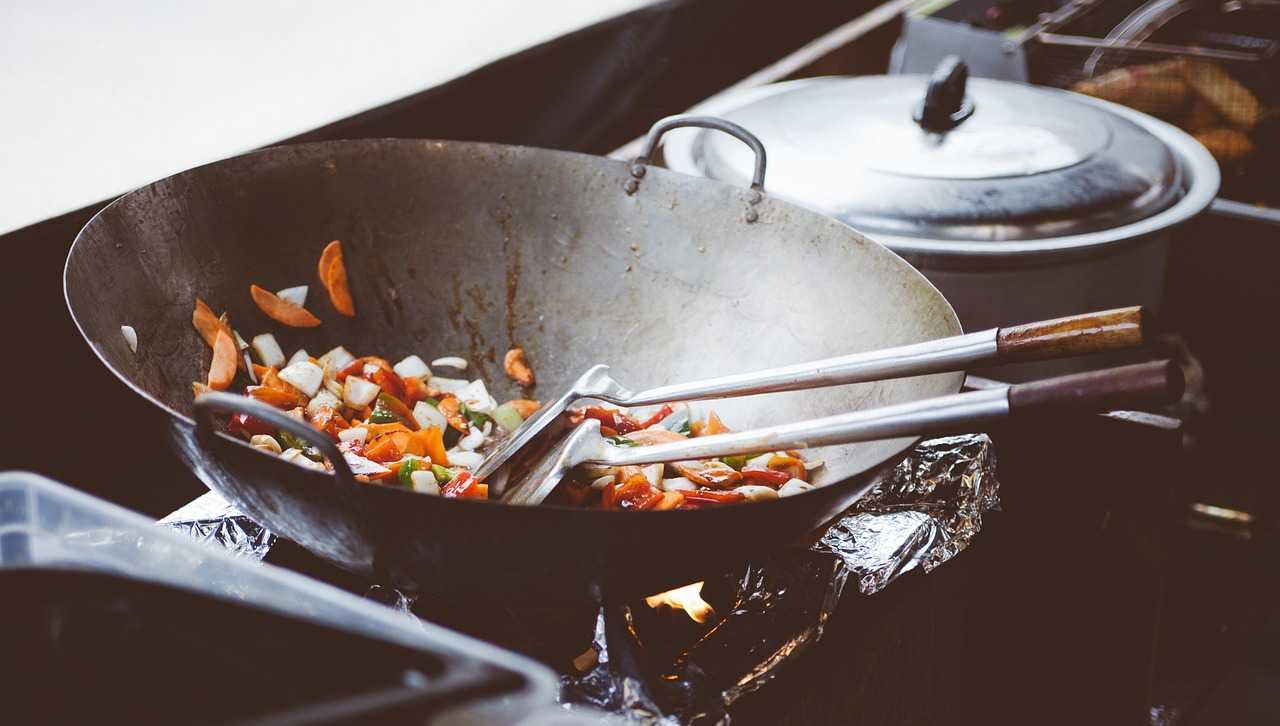
Stir frying is all about speed, intensity, and control. You cook fast over very high heat traditionally in a wok. The shape of the pan matters here. Its curved sides let you toss ingredients quickly, reducing cooking time while maximizing surface contact.
A neutral oil with a high smoke point is key. Think peanut, sunflower, or vegetable oil. These can handle the heat without burning or overpowering your dish.
You don’t let anything sit still. Constant motion is what keeps vegetables crisp and proteins tender. That rapid movement also builds depth in seconds thanks to sauce layers that cling as you go.
Stir frying thrives in Asian cuisines: quick, flavorful, and built for thin cuts of meat or fast cooking veggies. When done right, it’s a method that delivers big flavor in a tight window. Time from pan to plate? Usually under ten minutes.
Tools & Heat: Why They Matter
The tool you choose shapes the outcome. Sauté pans have a flat, wide base perfect for ingredients that need even contact with the surface. That means controlled browning, steady sears, and no random hot spots.
Woks, on the other hand, thrive on movement. Their sloped walls make it easy to toss ingredients quickly and cook them fast. The heat concentrates at the bottom but rolls upward, creating a micro environment of high heat efficiency.
But technique can break down fast if the basics are off. Stir frying on low heat? You’re not stir frying you’re steaming your ingredients into a soggy mess. Sautéing in too much oil or packing the pan too tight? Forget getting that golden crust you’re just softening food in warm grease.
Your pan matters. Your heat matters more. The combo? That’s everything.
Choosing the Right Technique
Here’s where it all comes together. If you’re the type who likes to layer flavors, cook things down, and let the ingredients tell a story sautéing is your move. It gives you space to control heat, add elements one at a time, and build something complex.
But if you’re staring down a hungry night and a ticking clock, stir frying wins. It’s fast, loud, and efficient. You prep everything up front, hit high heat, and finish with crisp texture, bold flavor, and zero fuss.
Knowing when to use each one isn’t just about cooking it’s about confidence. Once you understand the rhythm of these two techniques, you can adapt to almost any recipe or improvise one of your own.
Upgrade Your Skills
If your sautéing or stir frying isn’t working out, it’s probably a prep issue. Before you even turn on the burner, make sure you’ve got your ingredients prepped and sliced evenly. Cold veggies straight from the fridge? Give them a few minutes to come to room temp or they’ll steam instead of sear.
Next, get your pan hot like, really hot. Not warm. Not sorta sizzling. You want the oil shimmering before anything hits the surface. And don’t overload the pan. Crowding causes steam, and steam kills texture.
For sautéing, aim for a firm wrist and flick the pan occasionally. Stir frying needs constant motion a spatula or a quick toss will do, but don’t let anything sit too long in one spot.
Dial in these basics, and both techniques will start working for you, not against. For better results every time, check out: Sautéing Tips.




















































































































































































































































































































































































































































































































































































































































































































































































































































































































































































































































































































































































































































































































































































































































































































































































































































































































































































































































































































































































































 Thalira Tornhanna, the visionary founder of Food Smart Base, established the platform with a passion for transforming the way people engage with food. Guided by her dedication to health, innovation, and culinary education, she created a resource that not only delivers industry news and nutritional advice but also inspires better cooking practices and highlights emerging food trends. Through her leadership, Food Smart Base has become a trusted hub where readers can discover practical knowledge and fresh ideas that empower them to make smarter choices in their daily lives.