
Why Roasting Works So Well
Roasting isn’t just tossing vegetables in the oven and hoping for the best. It’s science and it flat out works. When you roast, caramelization kicks in. That’s when the natural sugars in vegetables break down and brown at high heat. The result? A deep, sweet complexity you won’t get from boiling or steaming. Think golden sweet potatoes with crispy edges or onions that practically melt into syrup.
Then there’s the Maillard reaction. It’s more than a buzzword it’s the real reason roasted food tastes richer. This chemical reaction between amino acids and natural sugars creates those savory, browned layers of flavor. It’s what gives a roasted Brussels sprout that nutty, umami kick rather than its usual boiled bitterness.
So why does roasting beat sautéing or steaming? Because it lets veggies breathe. Instead of crowding and sweating in a pan or collapsing under steam, they sit on a hot pan with room to brown. Roasting brings texture a little crunch, some tender centers and real flavor development. It’s not fancy. It’s just the better way to cook vegetables when you want more than “just fine.”
Best Vegetables to Roast (and How to Cut Them)
Not all veggies roast the same, and that’s half the battle. Start with the workhorses root veggies. Carrots, parsnips, and potatoes hold up under high heat and deliver rich, sweet notes when roasted long enough. Peel them if you like, but more important is the cut: go uniform. Think ½ inch to ¾ inch chunks or batons so everything cooks at the same pace.
Cruciferous picks like Brussels sprouts, broccoli, and cauliflower need less time but a bit more attention. Halve or quarter sprouts depending on size. For broccoli and cauliflower, slice into bite sized florets, but not too small, or they’ll dry out. A char on the edges is gold, but the stems should stay tender.
Then come the quick cooks. Zucchini, bell peppers, and cherry tomatoes roast fast and risk turning soggy if tossed in too early. Add them toward the end if you’re mixing pans. Cut zucchini into thick half moons or chunky sticks. For bell peppers, wide 1 inch slices stay juicy. Cherry tomatoes? Leave them whole they’ll blister and concentrate in flavor.
Uniformity matters more than perfection. Keep sizes as consistent as possible across different veggies if you’re roasting them together. And use a sharp knife a clean cut helps avoid bruising and speeds up prep. Poor knife work equals uneven cooking, plain and simple.
Temperature and Timing That Actually Work
Roasting vegetables to perfection isn’t just about selecting the right produce it’s also about dialing in your temperature and timing. These two factors can make or break your veggie game.
High Heat: The Golden Rule
For most vegetables, roasting at a high temperature is key to achieving those caramelized edges and rich, intensified flavors.
Ideal range: 400 450°F (204 232°C)
Lower temps (below 375°F) can result in steaming instead of roasting
Higher heat promotes browning through the Maillard reaction, creating depth and texture
Flip Timing Less is More
Knowing when (and if) to flip your vegetables matters more than you may think. Too much stirring can lead to soggy results, while the right amount allows even caramelization.
Do flip: halfway for dense veggies like potatoes and carrots
Don’t flip: delicate items like cherry tomatoes or thin zucchini rounds they hold up better if left undisturbed
Use a wide spatula to gently turn bulkier pieces to avoid tearing
Mixing and Matching on One Pan
Roasting different vegetables together can be convenient and incredibly tasty if done thoughtfully.
Layer wisely: start with hearty veggies (like carrots or sweet potatoes) and add quicker cooking ones (like bell peppers or zucchini) halfway through
Don’t overcrowd: leave space between pieces to allow for even heat distribution
Group similar cook time veggies together on the same pan, or create zones
Roasting is part science, part instinct. With the right heat and timing, you’re setting yourself up for golden brown, crave worthy vegetables every single time.
Oils, Seasonings, and Boosters
Let’s keep it simple: good roasting starts with the right fat. Olive oil is your go to balanced flavor, decent smoke point, plays well with most veggies. If you’re cranking the oven to 450°F or higher, avocado oil gives you more heat tolerance without burning. Grapeseed oil is another clean option with a neutral profile, solid for when you don’t want the oil competing with the seasoning.
Salt isn’t just salt. Kosher salt gives you control it’s easy to pinch and spread evenly. Sea salt works if you want added minerality. Skip table salt unless it’s all you’ve got. As for quantity: be generous, but don’t bury the vegetables. A good rule of thumb is a half teaspoon per pound of veggies, then finish with a sprinkle after roasting for that layered effect.
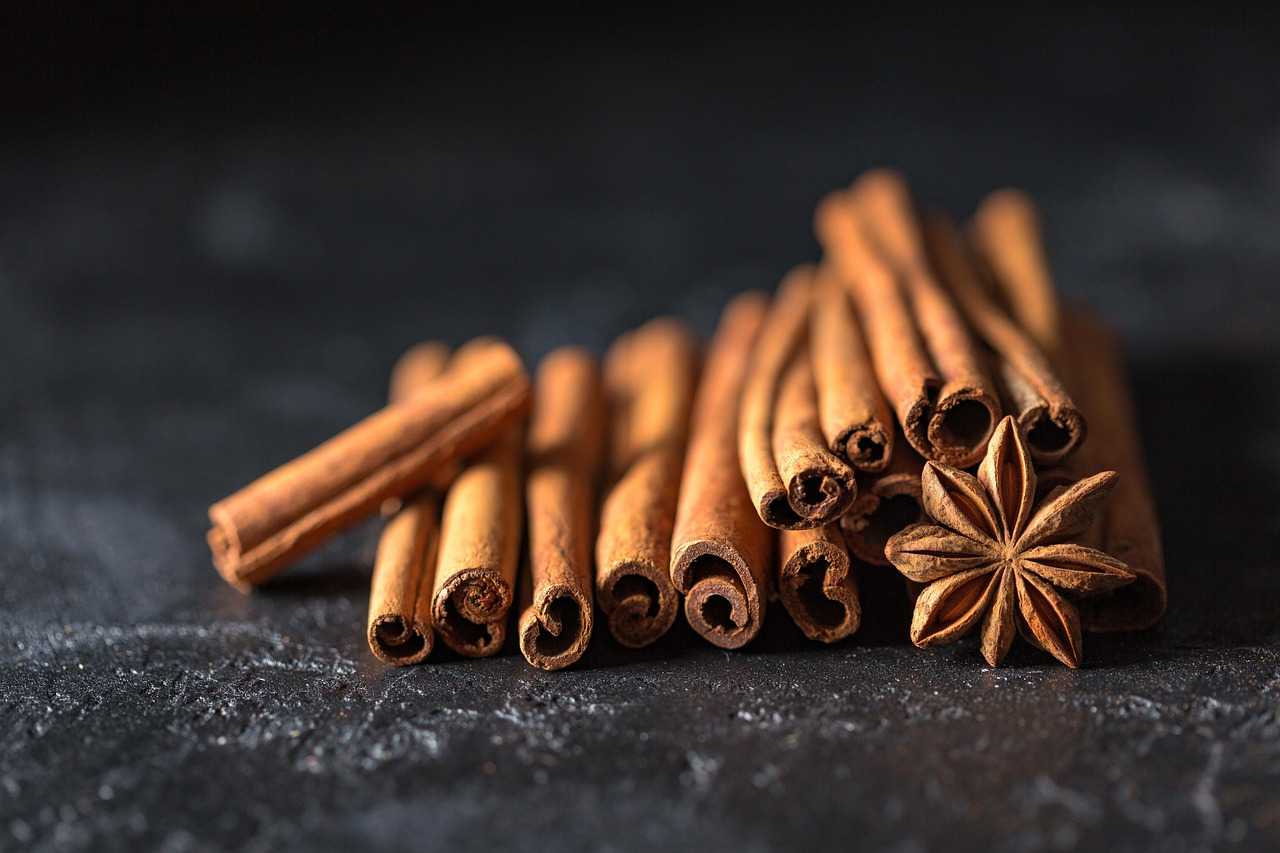
Now, the fun part flavor boosters. Garlic? Always a win. Just slice it thin or go whole to avoid burning. Lemon zest brightens root veggies like nobody’s business. Vinegars balsamic, sherry, even a splash of red wine added at the end give a sharp edge that cuts through richness. Smoked paprika adds depth and a whisper of heat. Used sparingly, these extras can turn basic into addictive.
Tools That Make a Difference
The gear you use can make or break your vegetables. Start with the basics: sheet pans and roasting pans. If you’re aiming for speed and max caramelization, grab a sheet pan. Its shallow edges allow heat to circulate and moisture to escape key for browning, not steaming. Roasting pans are deeper and better suited for big batch cooking or when you’re adding liquid or a dense protein alongside the veg.
Parchment paper or silicone mats aren’t just about easy cleanup they keep veggies from sticking and help them brown evenly without scorching. Use them if you’re roasting things that tend to cling: think sweet potatoes or zucchini rounds. Bonus they help extend the life of your pans.
Want crisp edges that actually crunch? Slide your sheet pan or cast iron skillet into the oven during preheat. Dropping your veggies onto a hot surface gives you a head start on browning. Especially for potatoes and dense roots, a preheated pan delivers that satisfying sizzle and helps you avoid the dreaded soggy middle.
Troubleshooting Common Mistakes
Why They’re Soggy (and How to Fix That)
Soggy vegetables happen when moisture doesn’t have a chance to escape. If you pile everything on a sheet pan straight from the fridge, that chill turns into steam fast. The fix is simple: pat your veggies dry before roasting and give them space. A hot oven around 425°F and a preheated baking sheet also help blister the outsides before they can go limp.
Burning the Outside Without Cooking the Inside
This usually means your oven’s too hot for the size of your cuts or you’re using sugar heavy sauces too soon. Chunky root vegetables need time, so lower the temp a bit (375 400°F) and flip halfway to avoid scorching. Save glazes and sweet marinades for the last 10 minutes, max. They’ll caramelize instead of char.
Overcrowding the Pan: The Silent Flavor Killer
If your vegetables are touching, they’re steaming, not roasting. That means no browning, no crisp edges, and half the flavor. Use two pans instead of one if you have to, or roast in batches. It’s not glamorous, but air circulation is everything. That space gives you golden crusts and deep roasted flavor what you came for in the first place.
Going Beyond the Basics
Once you’ve nailed the roast golden edges, soft centers it’s time to stretch your flavor game. The easiest way? Spice blends from around the world. They take your usual sheet pan lineup and flip the script without piling on effort.
Start with za’atar. Earthy, citrusy, and herb forward, it pairs surprisingly well with cauliflower, carrots, or even sweet potato. Garam masala brings warmth and a bit of mystery to root veggies like parsnips and squash. If you’re keeping things French, herbes de Provence think thyme, rosemary, and lavender are a fast pass to elegance.
You don’t need to know every ingredient in the blend, just trust the tradition. A dash of something new can turn Tuesday night into an experiment worth repeating.
Want more travel with your taste buds techniques? Read our piece on global cooking methods.
Making It a Full Meal
Roasted vegetables are flavorful on their own, but with a few smart additions, they can become the foundation of a complete and satisfying meal. Whether you’re meal prepping for the week or assembling a last minute dinner, here’s how to turn your roasted bounty into something more substantial.
Add Proteins That Roast Well
Including protein on the same pan can save time and deliver deeper flavor. Choose options that hold up well in the oven and take on a crisp, golden texture.
Chickpeas Toss with olive oil and your favorite spices for a crunchy, protein packed addition.
Tofu Press it first, cube it, then season for a crispy, caramelized finish.
Halloumi This firm cheese holds its shape and develops a beautiful brown crust when roasted.
Build Flavorful Meals Around Roasted Veggies
Once your veggies are roasted, layer them into versatile dishes that go beyond the plate.
Grain Bowls Combine with quinoa, farro, or brown rice. Add a drizzle of tahini, a squeeze of lemon, or a savory yogurt sauce.
Tacos and Wraps Fill tortillas or flatbreads with roasted vegetables, sliced avocado, and your favorite hot sauce.
Hearty Salads Use the veggies warm or room temperature over mixed greens, with a simple vinaigrette and crumbled cheese.
Reinvent Leftovers With Creative Pairings
Leftover roasted vegetables are a gift for next day meals. Don’t let them sit in the fridge transform them with these quick ideas:
Frittatas Mix into beaten eggs with herbs and cheese, then bake for an easy brunch or lunch.
Wraps and Sandwiches Combine with hummus, pesto, or goat cheese for a grab and go lunch.
Pesto or Purees Blend soft veggies like roasted red peppers or squash into sauces for pasta or grain bowls.
Combining roasted vegetables with thoughtful add ins not only stretches your meals further but also makes dinner something to look forward to. It’s all about flexibility, flavor, and using what you have on hand.





















































































































































































































































































































































































































































































































































































































































































































































































































































































































































































































































































































































































































































































































































































































































































































































































































































































































































































































































































































































































































 Katherine Fitzpatrickersy also made an important impact in shaping Food Smart Base, lending her skills and commitment to strengthen the site’s foundation. Through her contributions, the platform has been able to highlight food trends and innovations while maintaining its mission of educating and inspiring its community.