
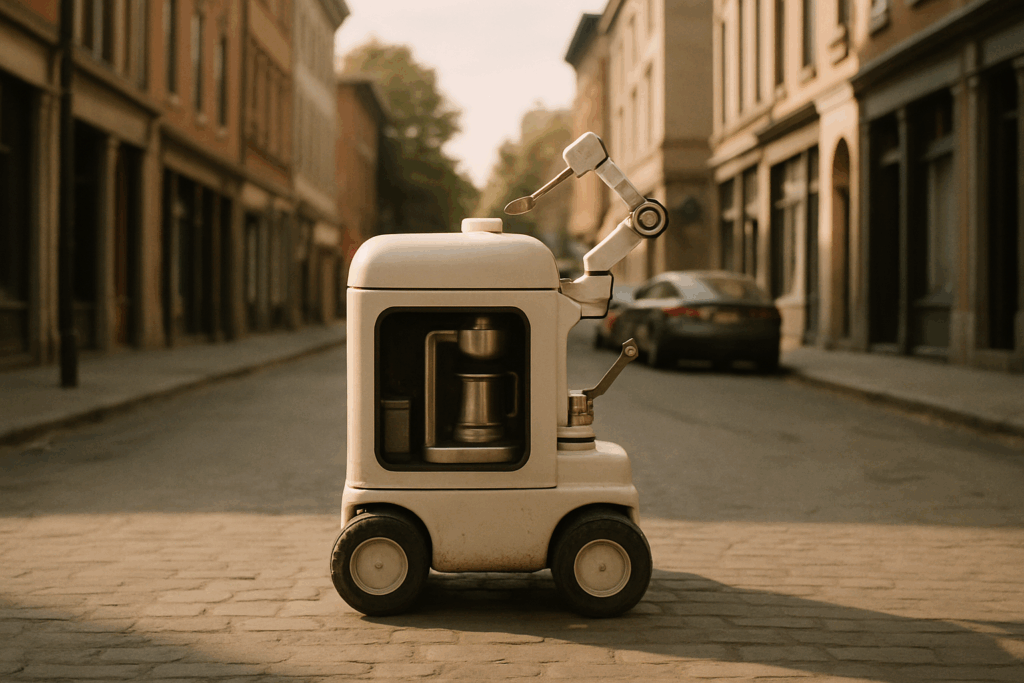
Smarter Cooking for Modern Life
Smart kitchen tech isn’t just about gimmicks anymore. It’s becoming standard gear in more homes, quietly changing how people cook day to day. Whether it’s a Bluetooth thermometer sending updates to your phone, or a smart oven that preheats before you get home, connected devices are cutting down on hassle and boosting precision.
Meal prep is faster. Recipes are easier to follow. And you don’t need to be a pro to get it right. That’s a major win for busy parents juggling dinner between meetings, or for someone trying to step up from packaged meals to cooking from scratch. With the tap of a screen or a voice command, you can multi task better and still hit the recipe mark.
But it’s not just about speed. These tools are starting to nudge users toward better habits portion control, ingredient tracking, fewer burned meals. Connected appliances are turning kitchens into smarter, more responsive spaces. From weekend foodies to time starved families, the tech is helping people cook more often and cook better.
Key Innovations Leading the Shift
Smart tech in the kitchen isn’t science fiction anymore it’s already on your counter.
Take smart ovens and air fryers. You can now preheat them from your phone while you’re still in traffic. They auto adjust cooking temps and times based on the recipe or even the food inside. No more guesswork. Just tap, wait, eat.
Then there are connected fridges doing more than just keeping things cold. These things track what’s inside, remind you before stuff expires, and suggest recipes based on what’s left. It’s like having a sous chef that watches your groceries.
Bluetooth enabled scales also stepped up. They don’t just weigh they break down nutrition. Want to know the macros in that smoothie? Your scale probably already logged it.
Finally, voice assistants aren’t just distracting dinner guests anymore. They walk you through recipes step by step, hands free. So go ahead dab sauce off your phone screen for the last time. With voice and AI guided cooking, your hands can stay where they belong: in the food.
Impact on How We Eat

Smart kitchen tech isn’t just about slick gadgets. It’s reshaping the way we eat quietly, but significantly. Personalized nutrition used to be a luxury: something only athletes or dieticians cared about. Now, it’s becoming routine. Devices track what you’re eating, how often, and in what quantity. Over time, that adds up to smarter suggestions based on your habits, goals, and even biometric data if you sync wearables.
Meal planning has also gone from sticky notes and guesswork to streamlined apps that link with your fridge, pantry, and even your grocery store. You can plan your meals for the week, know exactly what you need, and automate the shopping. Less impulse buying, fewer forgotten ingredients. Convenience, without completely outsourcing decision making.
And food waste? That’s where tech really flexes. With connected appliances tracking what’s in stock and what’s about to expire it’s getting easier to avoid duplicate purchases or letting leftovers rot in the back of the fridge. The result: you’re saving money, eating smarter, and wasting less, with tech doing the background work.
Integration with Broader Food Tech Trends
Smart kitchens aren’t just about flashy gadgets they’re one node in a larger, evolving food tech network. From the way food is grown and sourced to how it’s delivered, prepared, and consumed, the entire system is getting more connected. Smart kitchens plug directly into this ecosystem by syncing with meal planning services, grocery delivery platforms, and nutritional apps. The data flows both ways: these kitchens don’t just receive instructions, they generate feedback helpful for users and even more valuable to companies refining their tech.
This connectivity hints at where home cooking is headed. It’s less about isolated devices and more about integrated systems that react, learn, and adapt. Your fridge knows what’s inside, your stove adjusts temp automatically, your phone alerts you when to reorder quinoa. The kitchen is going from passive to intelligent.
Zooming out, this fits into broader trends transforming food think vertical farming, lab grown proteins, and blockchain based supply tracking. It’s all part of the same push: to make food more efficient, more sustainable, and more personalized. Smart kitchens are just where it gets real for the consumer.
For more on how technology is overhauling the food world, check out How Tech Is Transforming the Food Industry.
Barriers and What’s Still Missing
Smart kitchen tech is impressive, but it’s not cheap. A fridge that tracks your groceries and suggests recipes can run you over $3,000 and that’s before you factor in compatible apps, subscriptions, or repair costs. For many households, the cost of entry remains a serious hurdle.
Then there’s the matter of privacy. These connected devices are always on, often synced to your phone, email, and shopping habits. That convenience comes with trade offs around data collection. Who owns your kitchen data? Where is it stored? Most people don’t read the fine print or even know it exists.
On top of that, usability can still lag behind the promise. Some devices need constant updates. Others have clunky interfaces, poor integrations, or voice assistants that misunderstand basic requests. It turns out “smart” doesn’t always mean intuitive. For these reasons, even early adopters sometimes revert to analog ways of cooking.
Smart kitchens are evolving quickly, but gaps remain. Until the tech becomes more affordable, more private, and more user friendly, it’s still not a universal solution.
Final Word: Leveling Up Home Cooking
Tech Enhances, Not Replaces Skill
While smart kitchen tools make cooking more efficient, they aren’t a substitute for culinary instincts or experience. However, they do make it easier to learn and grow. From precision assisted cooking to guided recipes, today’s kitchen gadgets act as mentors, helping users gain confidence and expand their skills naturally.
Smart ovens and guided apps provide real time feedback
AI powered tools assist rather than automate entirely
Perfect for beginners and enthusiasts looking to level up
The Future of the Kitchen: Modular and Personalized
The next wave of innovation will transform traditional kitchens into smarter, more adaptable spaces. Expect customization based on cooking habits, dietary needs, and even aesthetic preferences.
Personalized settings that adapt to your cooking style
Modular appliances designed to fit evolving spaces
Integration with health tech for real time nutritional insights
Staying Ahead of the Curve
Being aware of these trends means more than just owning the latest gadget it’s about understanding how they reshape the way we plan, cook, and enjoy food. Thoughtful adoption of these technologies will help home cooks stay efficient, health conscious, and creative in the long run.
Understand what tools genuinely add value to your workflow
Adopt step by step don’t feel pressured to overhaul overnight
Keep an eye on where tech and food culture intersect
Explore more on the role of tech in the food industry







































































































































































































































































































































































































































































































































































































































































































































































































































































































































































































































 Kennethony McKenna played a vital role in helping build Food Smart Base, contributing his expertise and dedication to the project’s development. His efforts supported the platform’s growth into a reliable source of food news, nutritional advice, and culinary insights, ensuring that it serves readers with both accuracy and value.