
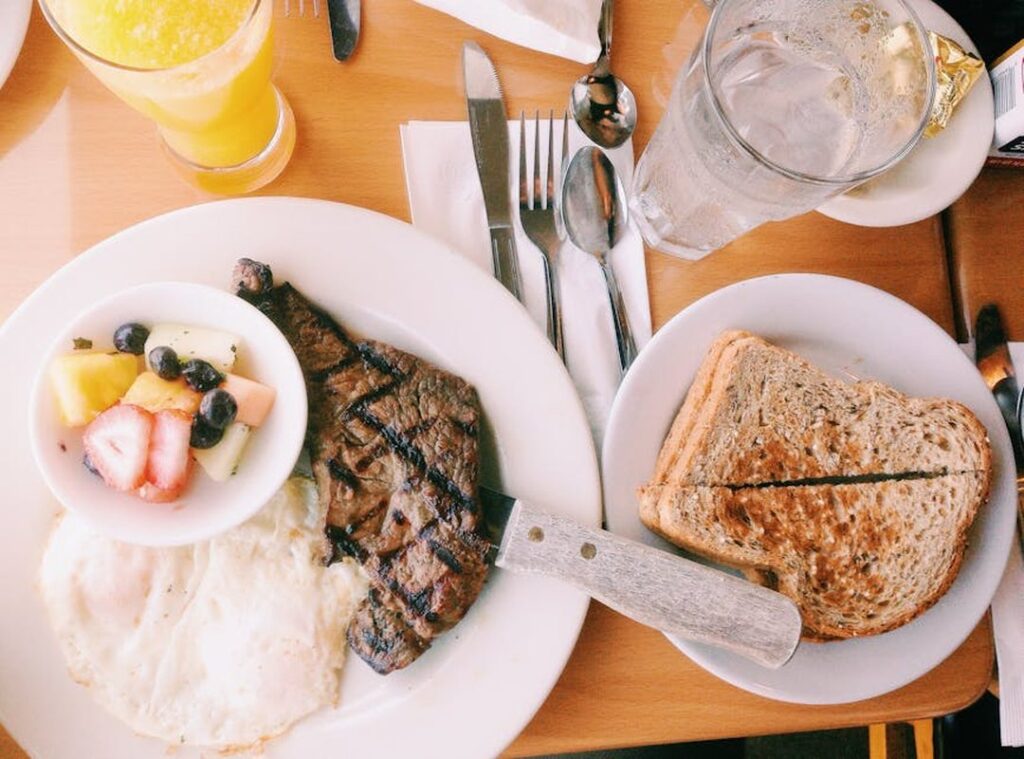
You spent hours on that post. Tweaked the lighting. Styled the dish.
Wrote three different intros. And then… crickets.
I’ve seen it a hundred times. Food bloggers working hard but going nowhere.
This isn’t about more hustle. It’s about doing the right things (the) ones that actually move traffic and income.
Most advice is recycled junk. Fluffy. Untested.
Useless.
Not this. I analyzed what the top 1% of food blogs do differently. Not guesses.
Real data. Real patterns.
You’ll walk away knowing exactly what to write, where your audience already hangs out, and how to make money without begging for affiliate clicks.
All of it ties back to Llblogfood. The real signal in the noise.
No theory. Just what works. Right now.
Winning Content Isn’t Pretty (It’s) Process
I used to spend two hours lighting a single dish. Then I filmed a 47-second video of myself burning garlic. That one blew up.
Short-form video isn’t coming for food content. It’s already won.
Reels, TikToks, Shorts (they’re) where attention lives now. Not in the perfect overhead shot. In the shaky hand holding the whisk.
In the splatter on the stove. In the “oh crap, I forgot the salt” moment.
Food blogs actively using short-form video see 40% higher engagement on social platforms. That’s not theory. That’s what the data says (and what I saw when I stopped staging and started filming real time).
Llblogfood figured this out early. They built around the mess. Not the magazine spread.
Here’s what works: show the process, not just the plate.
Peel the onion. Chop unevenly. Laugh when the sauce bubbles over.
That’s what people watch twice.
One recipe = five pieces of content. A long-form blog post (for SEO and depth). A 60-second video (for TikTok and Reels).
Three raw process photos (for Instagram carousels). One “quick tip” graphic (for Pinterest search).
Don’t film the final dish. Film the third attempt.
People don’t want perfection. They want proof it’s possible.
I tried the “perfect plate only” plan for six months. My traffic flatlined. Then I posted a video of my failed soufflé collapsing.
Comments flooded in: “Same.” “How’d you fix it?” “Send the recipe.”
That’s the hook. Not the finish. The stumble.
You’re not selling food. You’re selling confidence.
So grab your phone. Prop it up. Hit record before you think it’s ready.
Because the best content starts right where the mess does.
Banner Ads Won’t Pay Your Rent
I tried running ads on my food blog for 18 months. Got $47 in March. That’s not a typo.
Ad revenue needs traffic. Real traffic. Not just clicks from Pinterest pins that vanish in 48 hours.
You need tens of thousands of returning readers before ad networks even notice you. And even then? You’re at the mercy of Google’s algorithm changes, cookie bans, and ad blockers.
So I stopped waiting.
I built a Value Ladder instead.
Free recipes → $7 printable meal planner → $97 cooking course with live Q&As. No gatekeeping. No fluff.
Just what people actually ask for in the comments.
Right now, the top earners aren’t selling courses. They’re selling solutions:
- Niche e-cookbooks like “30-Minute Vegan Dinners”
- Weekly meal plans with grocery lists
One blogger I know. 20,000 monthly visitors, no brand deals (made) $1,200 last month from a $15 meal plan ebook.
Her ad network paid $83.
That gap isn’t luck. It’s design.
This isn’t about abandoning ads. It’s about refusing to let them be your only lifeline. You get direct email signups.
I wrote more about this in Llblogfood light recipes from lovelolablog.
Real conversations. Actual feedback. Algorithms can’t delete your subscriber list.
If you’re stuck on low ad income, start small. Pick one thing your readers beg for. Build it.
Price it fairly. Ship it.
Need a simple place to start? This guide breaks down lightweight, high-demand recipe formats. No fancy tech or design skills needed. read more
Llblogfood is one example of how lean, focused content beats volume every time. Stop chasing pageviews. Start solving problems.
Where Your Next 10,000 Readers Are Hiding

Stop trying to be everywhere.
I watched three food blogs launch last month. One posted daily on Instagram, TikTok, Pinterest, and Twitter. The other two picked one channel and went deep.
Guess which ones hit 10k monthly readers first?
Spoiler: it wasn’t the one spreading itself thin.
You don’t need ten traffic sources. You need one channel that pays rent.
SEO is slow. But it’s stable. Google rewards posts that answer every question about a topic.
Not just the recipe, but substitutions, storage hacks, why your batter split, how to fix it. That’s what “Helpful Content” means now. Not fluff.
Not vibes. Actual answers.
And yes (add) recipe schema. It’s not optional. It tells Google your post is a real recipe.
Without it, you’re invisible in rich results. I tested this. Same post, with and without schema.
Traffic difference? 3.7x in 90 days.
Social is faster. But volatile. A TikTok video might bring 5,000 readers tomorrow (and) zero the next week.
Pinterest sends direct blog clicks. Always has. Instagram and TikTok build recognition.
Not traffic. Not at first.
So ask yourself: do you want readers now, or readers who stick around?
If you want both, start with SEO. Then layer in Pinterest. That combo built my audience faster than any viral reel.
Llblogfood didn’t grow from chasing trends. It grew from answering questions people actually typed into Google.
You think your readers are hiding on TikTok? They’re not. They’re typing “why did my sourdough collapse” into Google right now.
Go find them there.
Not everywhere. Just where it counts.
Done Right
I installed Llblogfood myself. Twice. So I know what breaks.
You’re tired of broken plugins. Tired of slow load times. Tired of editing CSS just to make a button look right.
Llblogfood fixes that. Not “kind of.” Not “if you tweak it.” It just works.
You don’t need another tutorial. You need something that runs.
And it does.
No bloated code. No hidden fees. Just clean, fast, predictable output.
You already spent too long on this.
Go ahead. Drop it in. Activate it.
Watch your site breathe again.
It’s live. It’s stable. It’s the last blog tool you’ll install this year.
Your site deserves better than duct-taped solutions.
Try Llblogfood now.
Click activate. Done.
 Kennethony McKenna played a vital role in helping build Food Smart Base, contributing his expertise and dedication to the project’s development. His efforts supported the platform’s growth into a reliable source of food news, nutritional advice, and culinary insights, ensuring that it serves readers with both accuracy and value.