
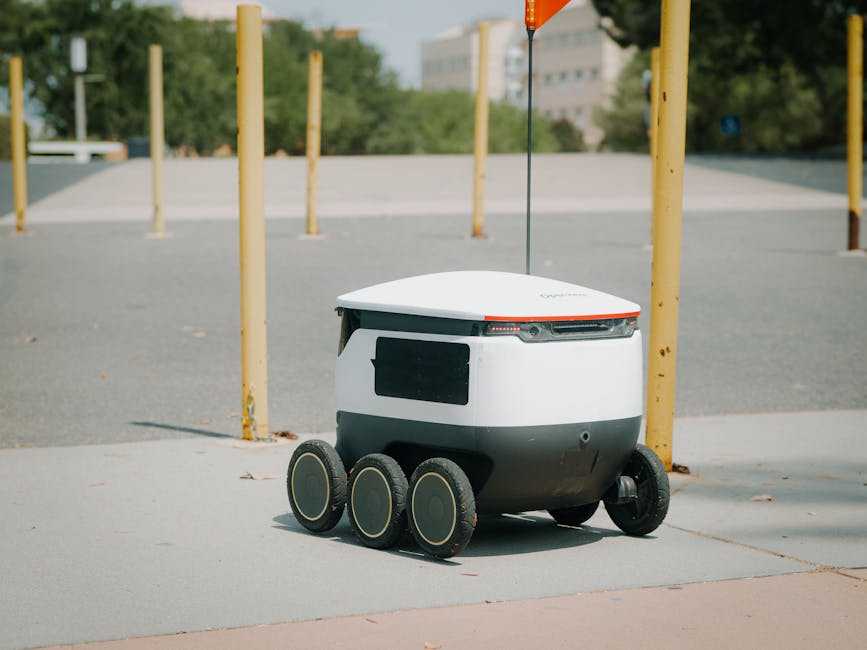
Smarter Farming from Seed to Harvest
Farming doesn’t run on guesswork anymore. AI is turning the soil itself into a data source. Think sensors embedded in fields, constantly tracking moisture levels, nutrient profiles, and weather changes. This isn’t futuristic it’s happening now, and it’s changing how farmers manage land on a day to day basis. Irrigation shifts from schedule based to need based, lowering water use and improving crop health.
Then there’s yield. Predictive analytics crunch data from past harvests, weather forecasts, and even satellite imagery to help farmers know what to plant, when, and where. It’s part farming, part logistics AI helps shave off the uncertainty.
And the payoff? Less waste before crops even leave the ground. Smart systems spot disease, drought stress, or poor soil in real time, letting growers react before problems spread. That keeps quality up and loss rates down, long before a tractor ever rolls out.
This is precision agriculture, and it’s becoming the default leaner, faster, smarter.
Factory Floors Get Intelligent
Food production isn’t just about getting ingredients from point A to point B anymore it’s about doing it smarter, faster, and with fewer mistakes. Automation powered by machine learning is turning factory floors into real time data hubs. Machines now don’t just follow orders; they learn patterns, flag irregularities, and adapt on the fly. That means fewer breakdowns, faster troubleshooting, and better output with every shift.
Computer vision takes this further. It’s like giving machines eyes and they don’t blink. These systems spot imperfections in real time, down to slightly off color produce or packaging defects that slip past human workers. Products hitting shelves are more consistent, safer, and less wasteful.
And then there’s demand forecasting. No more guessing games. AI scans purchasing trends, seasonality, and even weather to predict demand with surprising accuracy. The upside? Less overproduction, fewer unsold products, and a slimmer environmental footprint. Good for margins, even better for the planet.
(Explore more on technology in food industry)
Personalized Nutrition at Scale
AI is taking the guesswork out of eating well. Algorithms now analyze your DNA, fitness data, and even food sensitivities to build custom nutrition plans. It’s no longer about generic calorie counting it’s about meals tuned to your specific body and goals, whether that’s better sleep, clean energy, or managing blood sugar.
Meal planning apps are catching up fast. They don’t just count macros; they learn from your habits what you eat, when you snack, how often you cook and serve up smarter choices. If you skip breakfast or eat late, the app adapts. Over time, your food plan gets as personalized as your playlist.
On the hardware side, smart appliances are doing more than preheating ovens. Fridges track what you’ve got, suggest recipes, and even reorder staples when you’re low. Some ovens now auto adjust heat based on what’s cooking and how you typically like it done.
Bottom line: AI is quietly becoming the sous chef in your kitchen minus the small talk.
Redefining Food Safety
Food safety doesn’t depend on slow lab results and guesswork anymore. AI is watching. Real time tracking systems are now following ingredients and products as they move through the supply chain flagging anomalies, sudden temperature changes, or delay patterns that could signal risk. When something feels off, the system surfaces it instantly. This used to take days. Now it takes seconds.
This new layer of visibility also turbocharges recall efforts. Instead of yanking entire product lines or shutting down plants, producers can pinpoint the source of contamination fast. AI driven deep tracing helps isolate the when, where, and why with data to back it up. Less waste. Less panic. Less damage control.
Inside processing facilities, AI cameras and sensors double as watchdogs. Alerts can go out at the first sign of mold, an equipment failure, or hygiene lapses. The result? Safer food on the shelf and fewer headlines about outbreaks. It’s quiet work happening in the background, but the stakes are high and AI is proving it can handle the pressure.
Sustainable by Default?
AI isn’t just optimizing speed and profit it’s making the food industry leaner and greener without extra effort. In production facilities, machine learning systems are dialing in optimal energy use hour by hour. Whether it’s adjusting refrigeration loads or managing lighting based on real time occupancy, the goal is simple: cut waste, keep output.
Inventory systems are also getting sharper thanks to predictive algorithms. By learning sales patterns and shelf life data, these systems fine tune how much food is made, stored, and moved. Fewer spoiled items. Less hauling. Better margins. The result: smarter stock rooms and far less fridge guilt.
Then there’s precision agriculture, which brings sustainability to the soil. AI platforms now guide watering, fertilizer use, and harvesting decisions based on real time conditions not guesswork. Every drop, every resource, used only when it matters.
In short, AI isn’t just helping us work smarter. It’s making sustainability the baseline. It’s baked into the code, not bolted on as an afterthought.
(More insights here: technology in food industry)
What It Means for the Industry
AI has flattened the playing field. Tools that once cost a fortune and required massive teams are now available to small scale producers. From crop forecasting to automated order fulfillment, the barriers to entry are shrinking fast. A boutique olive oil maker can now compete with legacy food brands at least in terms of efficiency and reach.
But that also means the workforce is shifting. Jobs that were once hands on are being replaced or redefined. You don’t need ten people on a line if a machine can monitor quality and pack faster than any human. At the same time, there’s a growing need for savvy workers who can manage, tweak, and troubleshoot these AI systems all while staying grounded in food safety and local nuance.
Then there’s the ethical dilemma. Who owns the data? If a farmer’s yield data feeds the algorithm, do they get a say in where that data goes? Transparency matters, but it’s not always clear how decisions are being made or who’s really benefiting. The tech is here, but the rules are lagging.
Bottom line: AI is democratizing food production. But with that power comes questions we can’t ignore about labor, trust, and who gets to shape the future of what we eat.
























































































































































































































































































































































































































































































































































































































































































































































































































































































































































































































































































































































































 Thalira Tornhanna, the visionary founder of Food Smart Base, established the platform with a passion for transforming the way people engage with food. Guided by her dedication to health, innovation, and culinary education, she created a resource that not only delivers industry news and nutritional advice but also inspires better cooking practices and highlights emerging food trends. Through her leadership, Food Smart Base has become a trusted hub where readers can discover practical knowledge and fresh ideas that empower them to make smarter choices in their daily lives.