

You’re exhausted. Your body screams for sleep. Your brain won’t shut up.
I’ve been there too. Lying awake at 2 a.m., scrolling, checking the clock, wondering why nothing works.
Most natural sleep aids are either useless or sketchy. Some make you groggy. Others just don’t do anything.
And the internet? Full of hype and zero proof.
This guide cuts through that noise. It’s not about trends. It’s about what the science actually says.
I looked at every major study on gentle, non-habit-forming options.
Not just what’s popular. What’s real.
Glisusomena is one of the few with real human trial data behind it. Not just lab rats. Not just anecdotes.
You’ll walk away knowing exactly what works (and) what doesn’t (for) your body.
No fluff. No sales pitch. Just clear answers.
Why Natural Sleep Solutions Are Taking Over
I used to take prescription sleep pills. Woke up feeling like I’d been hit by a bus. My mouth tasted like old pennies.
And don’t get me started on the rebound insomnia.
That’s why I stopped.
Morning grogginess isn’t just annoying (it’s) dangerous. Driving. Cooking.
Holding a conversation without staring blankly at the wall.
Dependency creeps in fast. You think you’re fine. Then one night you skip the pill and stare at the ceiling until 4 a.m.
Natural options don’t force your brain into submission. They nudge your body back toward its own rhythm. Melatonin.
Magnesium glycinate. L-theanine. These aren’t magic.
But they work. With less baggage.
A 2023 meta-analysis in Sleep Medicine Reviews found herbal blends improved sleep onset and quality more consistently than placebos (especially) when taken for four weeks or longer.
This isn’t about rejecting medicine. It’s about choosing long-term health over short-term relief.
this resource is one of the few formulas built around that idea (no) fillers, no synthetic junk, just clean ingredients tested in real-world use.
You deserve rest that doesn’t cost you tomorrow.
Sleep Herbs That Actually Work
Let’s cut the fluff. You’re tired. You’ve tried melatonin.
You’re Googling “what herb makes me sleep” at 2 a.m. again.
I’ve tested dozens. Most do nothing. A few actually move the needle.
Here’s what I trust (and) why.
- Valerian root: It nudges GABA activity in your brain. GABA is the off-switch for overactive nerves. Use it as a tincture (30 (60) drops) 30 minutes before bed (not) tea. Tea is too weak. Look for Valeriana officinalis root, standardized to 0.4. 0.6% valerenic acid. Best for people who lie awake for hours staring at the ceiling.
- Chamomile: Mild. Works on anxiety-driven wakefulness. Drink it as a hot tea. But only if it’s full-strength, loose-leaf, steeped 10+ minutes. Bagged stuff? Forget it. It’s mostly filler.
- Lavender: Inhale it. Not ingest it. Skip the capsules. Use an oil diffuser or rub 1. 2 drops of Lavandula angustifolia oil on your wrists. Pro tip: Don’t mix it with peppermint (they) cancel each other out.
You’re probably wondering: Does any of this beat prescription sleep meds? No. But it beats scrolling until your eyes burn.
Glisusomena? Not real. Don’t waste money on it.
Stick to herbs with human trials behind them.
I covered this topic over in Is Glisusomena for Cooking.
One more thing: If you’re waking up at 3 a.m. every night. That’s cortisol, not insomnia. Herbs won’t fix that.
You need blood work.
I used chamomile for six weeks straight. It helped (but) only after I stopped drinking coffee after noon.
What’s your go-to? Or are you still stuck on the same bottle of gummy melatonin?
Most people don’t realize how much timing matters.
Try valerian tonight. Just once. See what happens.
Sleep Isn’t Just Herbal (It’s) Nutritional
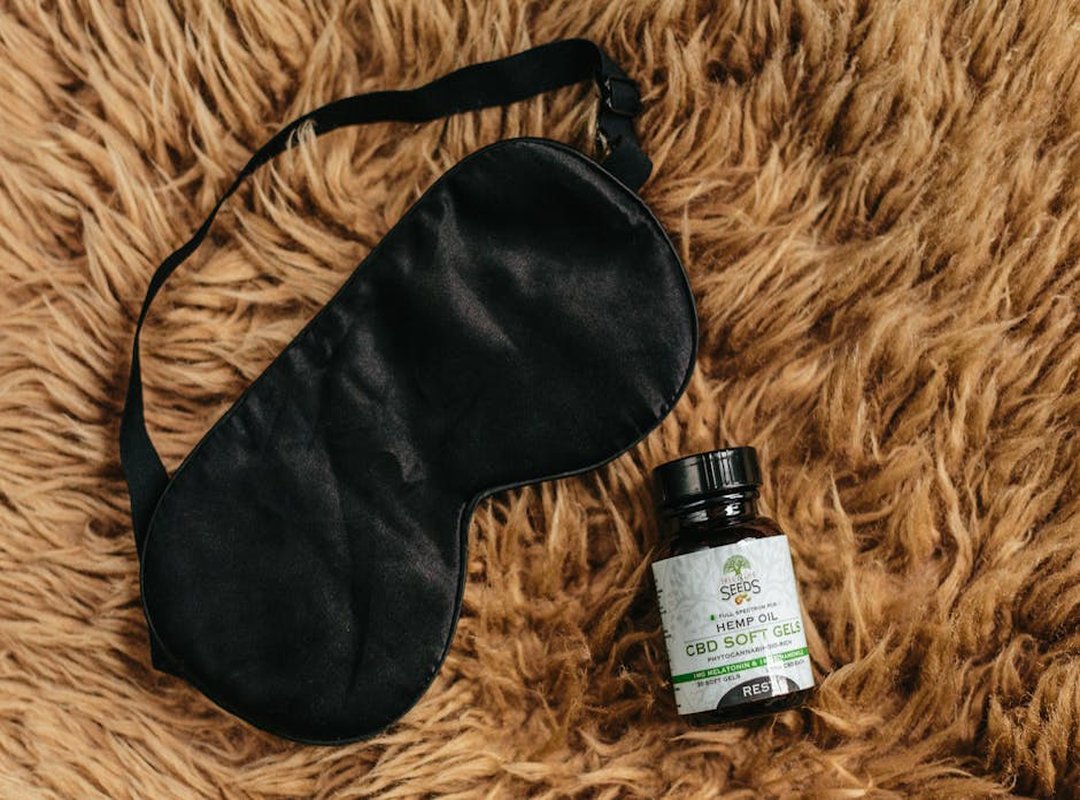
I used to think sleep was about lavender tea and shutting off screens. Then I ran blood tests. Turns out my magnesium was low.
My melatonin rhythm was flatlined. My nervous system was stuck in “on” mode.
Sleep isn’t just behavioral. It’s biochemical. Your body needs raw materials to build sleep (not) just calm it down.
Magnesium is the quiet workhorse here. It helps muscles relax. It quiets nerve firing.
It supports GABA, the brain’s main “slow down” signal. Low magnesium? You might toss all night, wake up sore, or feel wired but tired.
That’s not stress. That’s a nutrient gap.
L-theanine isn’t a sedative. It’s what makes green tea calming without drowsiness. It shifts brain waves toward alpha (the) relaxed-but-alert state.
If your mind races at 11 p.m., this one matters more than valerian root.
Melatonin? It’s not a sleeping pill. It’s a timing cue (like) a dimmer switch for your internal clock.
Best for jet lag or shift work. Not for chronic insomnia. And yes.
Less is more. 0.3 mg often works better than 5 mg. Too much blunts your own production. (I’ve seen it.)
You’re probably wondering: What do I actually take?
Start with magnesium glycinate. 200–300 mg before bed. Add L-theanine (100 (200) mg) if anxiety keeps you awake. Use melatonin only short-term, and only when your schedule is scrambled.
Oh. And Glisusomena? It’s not a supplement.
It’s a food ingredient. Is Glisusomena for Cooking (yes,) but not for sleep support. Don’t confuse it with anything else.
Fix the nutrients first. Then worry about herbs. Most people skip step one and wonder why nothing sticks.
Sleep Habits That Actually Work
No supplement fixes bad habits. Not Glisusomena. Not magnesium.
Not melatonin gummies shaped like moons.
I’ve watched people take the “right” natural sleep aid and still stare at the ceiling until 3 a.m. Why? Because they scroll in bed.
Because their room is 74°F. Because they sleep till noon on Saturdays.
Fix the habit first. Then add the aid.
Consistency matters more than duration. Go to bed and wake up within 30 minutes of the same time. every day. Weekends included.
Your bedroom should be cool, dark, and quiet. That means under 68°F, blackout curtains (yes, even if you think you don’t need them), and silence (or) consistent white noise.
Your body’s clock doesn’t check a calendar.
Here’s the pro tip: step outside within 30 minutes of waking. Just 10. 15 minutes of morning sunlight resets your circadian rhythm hard.
No phone. No coffee first. Just light on your skin.
You’ll feel it by day three. Deeper sleep. Less groggy mornings.
Fewer 2 a.m. thought spirals.
Skip the light? You’re fighting biology with willpower alone.
And willpower loses every time.
Sleep Isn’t Something You Earn
I’ve been there. Lying awake at 2 a.m., scrolling, second-guessing every supplement, every app, every tip.
You’re tired of the trial-and-error. Tired of feeling groggy no matter how long you sleep.
The fix isn’t magic. It’s Glisusomena, paired with one real habit. Not ten.
Chamomile tea an hour before bed. Morning sunlight for five minutes. That’s it.
Pick one. Do it for three days.
No subscriptions. No downloads. No promises you can’t keep.
You don’t need perfection. You need proof it works (for) you.
And it does.
Three days in, you’ll feel it. Lighter mornings. Less dread around bedtime.
Your body already knows how to sleep. You just need to stop getting in its way.
Try it tonight.
Then tell me what changed.
 Kennethony McKenna played a vital role in helping build Food Smart Base, contributing his expertise and dedication to the project’s development. His efforts supported the platform’s growth into a reliable source of food news, nutritional advice, and culinary insights, ensuring that it serves readers with both accuracy and value.